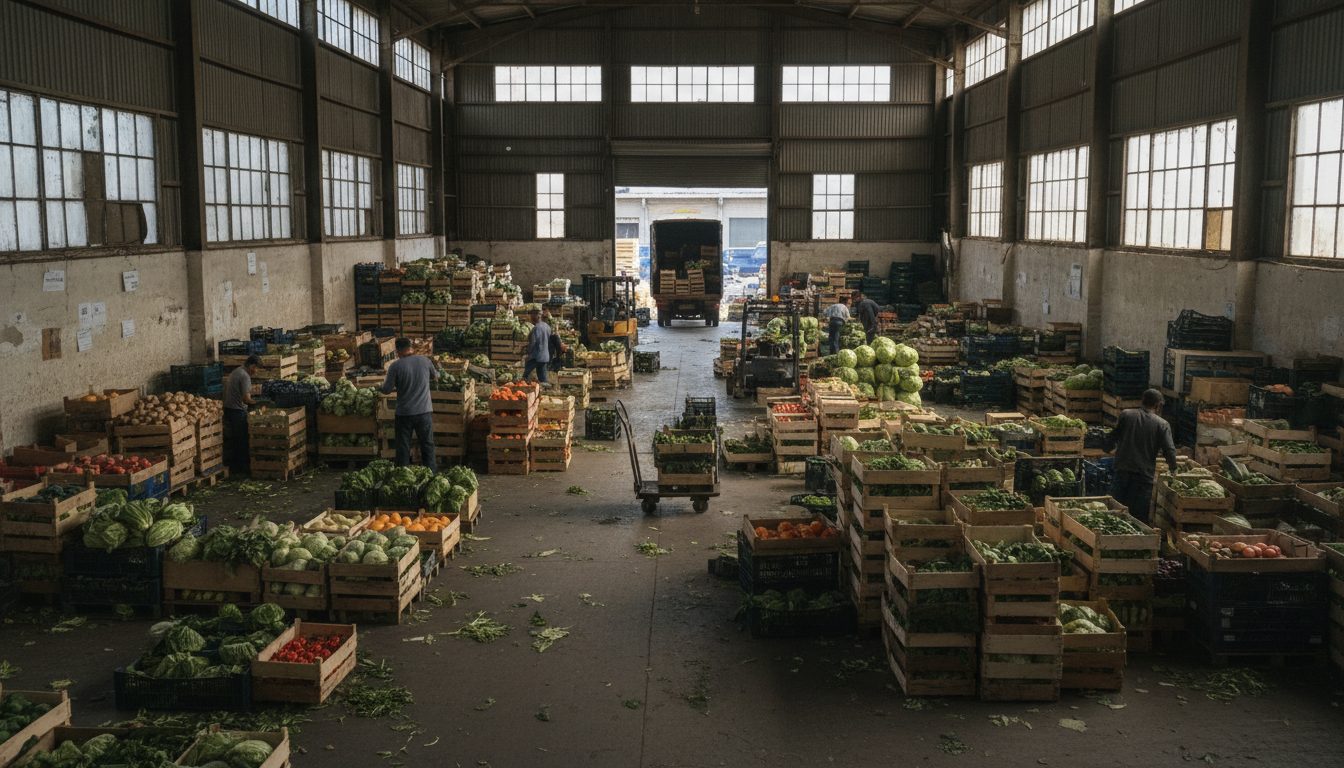
How to run many independent food co-ops as tenants on one platform: what belongs in shared code, what must be tenant configuration, where data isolation between rival co-ops matters, and where shared infrastructure stops working.
How to run many independent food co-ops as tenants on one platform: what belongs in shared code, what must be tenant configuration, where data isolation between rival co-ops matters, and where shared infrastructure stops working.
A practical integration strategy for short food supply chain software: which systems a food hub actually needs to connect to, what an open API should expose, and which connectors cost more than they return.
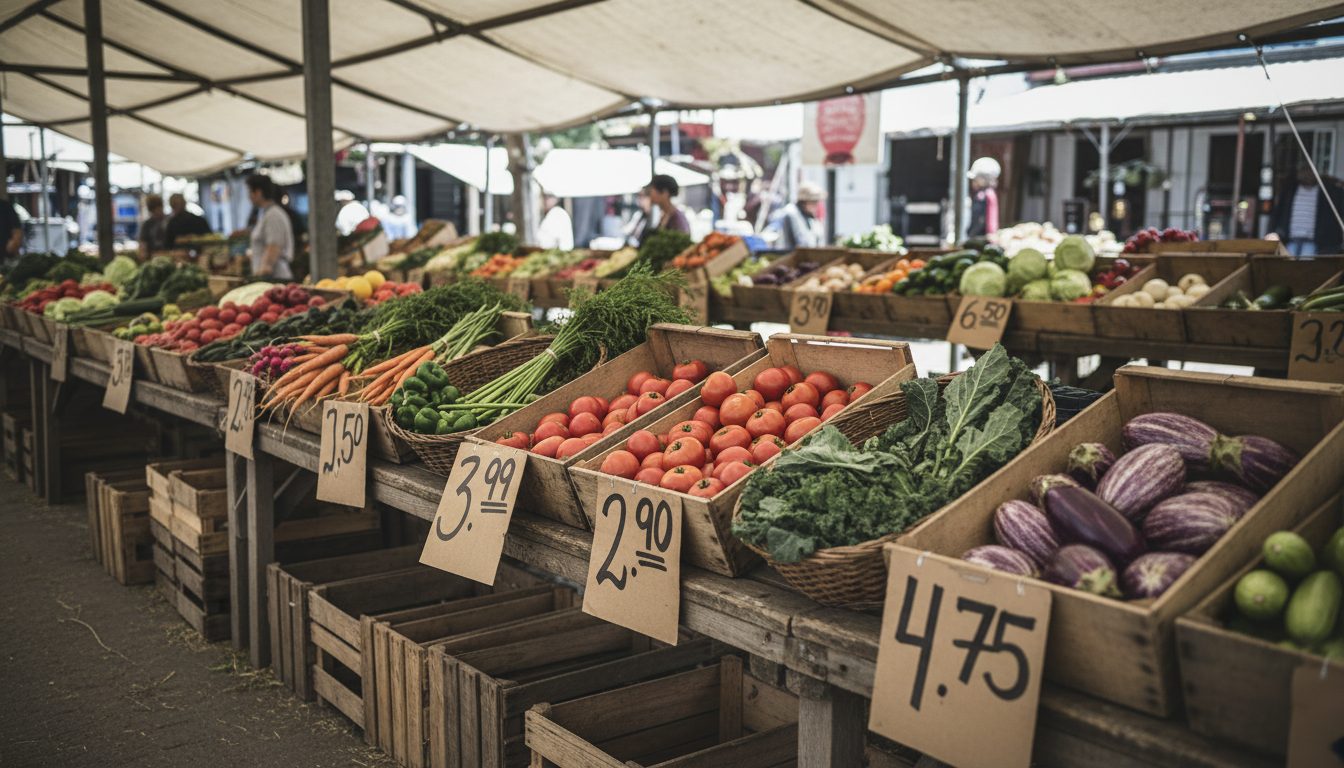
Where algorithmic pricing actually helps a multi-producer food hub, which markdown decisions to automate against declared stock and remaining shelf life, and the three governance rules that stop producers revolting when the platform moves their price.
A pre-launch budget for a local food hub serving 38 producers: one-off capital items, the weekly recurring cost per delivery week, and the three costs first-year founders forget.
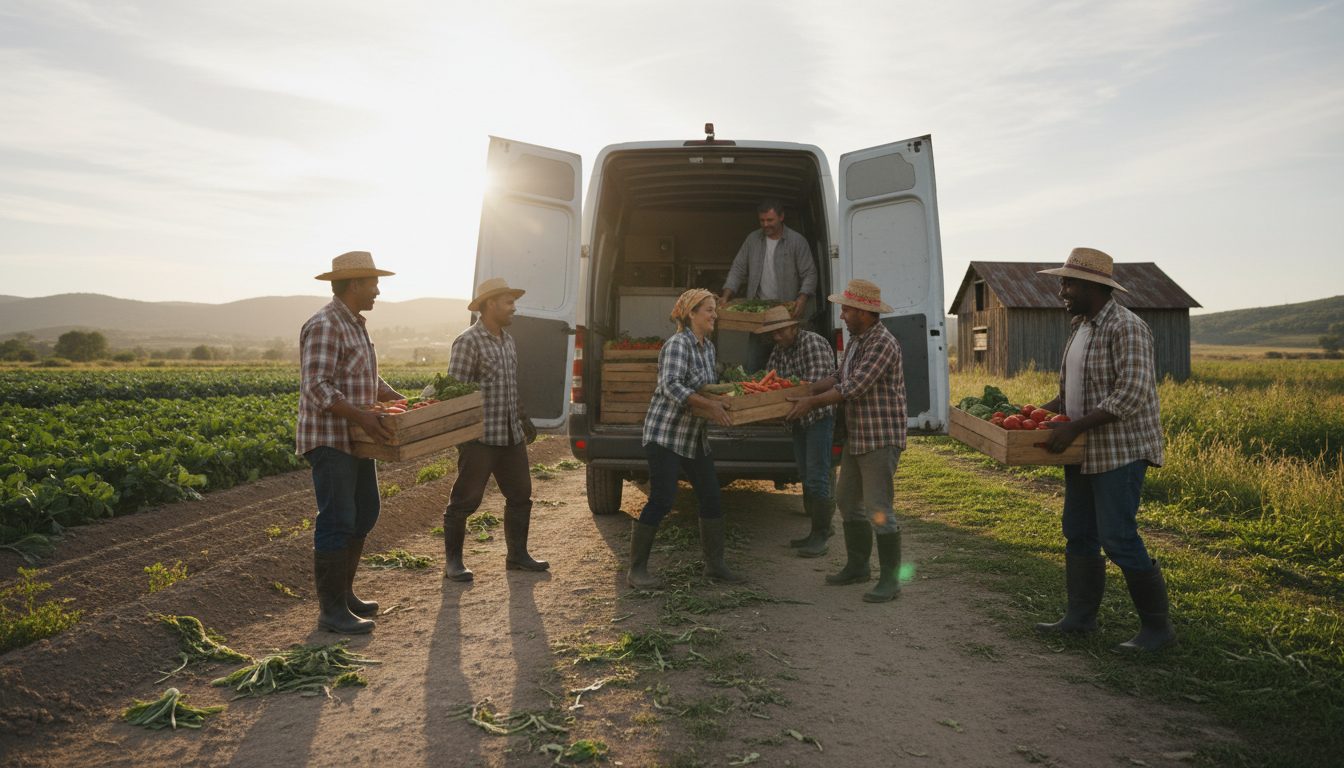
Taking a farmers market online stalls on governance, not software. Here are the nine decisions a market committee must vote on first, the options real markets chose, what each one forces in the platform, and wording for the motions.

Which records actually cross the boundary between a food hub platform and QuickBooks, Xero, Stripe or a CRM, where multi-producer splits break single-merchant accounting, and which integrations are not worth building.

Most food hub grant advice stops at where to apply. This is the operator's version: which transaction lines, producer payouts and delivery records map to each section of a funding proposal, and how the same data satisfies post-award reporting deadlines.

A realistic five-year cost breakdown of building a custom food hub platform in-house versus buying vertical software: maintenance, security patching, GDPR obligations, payout logic changes and the internal expertise nobody budgets for.

A local food co-op receives orders through four different channels, and only one of them is the storefront. Here is how to normalise phone calls, standing subscriptions and restaurant emails into a single order book before cut-off, without double-booking households or drifting producer stock.
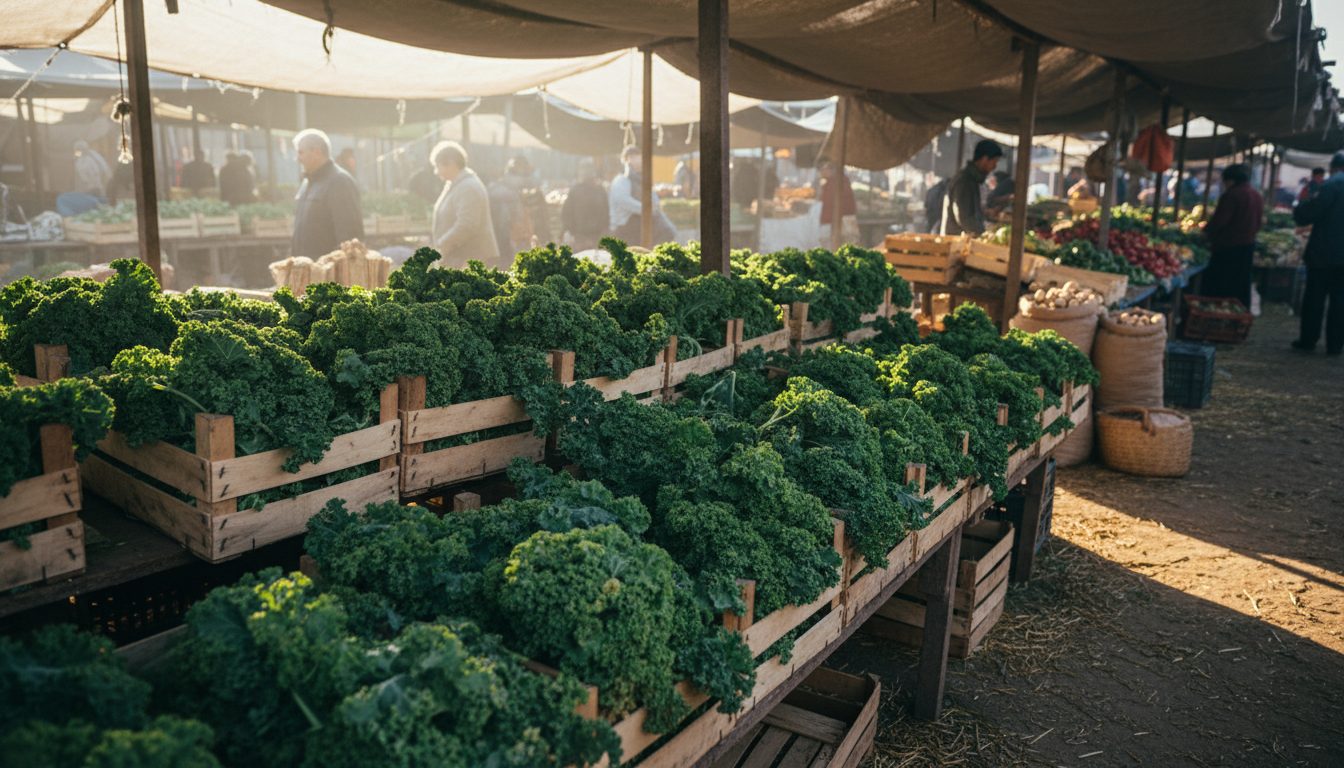
ERPs and e-commerce platforms fail short food supply chains at the data model, not the feature list. Here is why multi-producer, perishable, route-bound operations need vertical software, and what changes when the people building it also run a co-op.
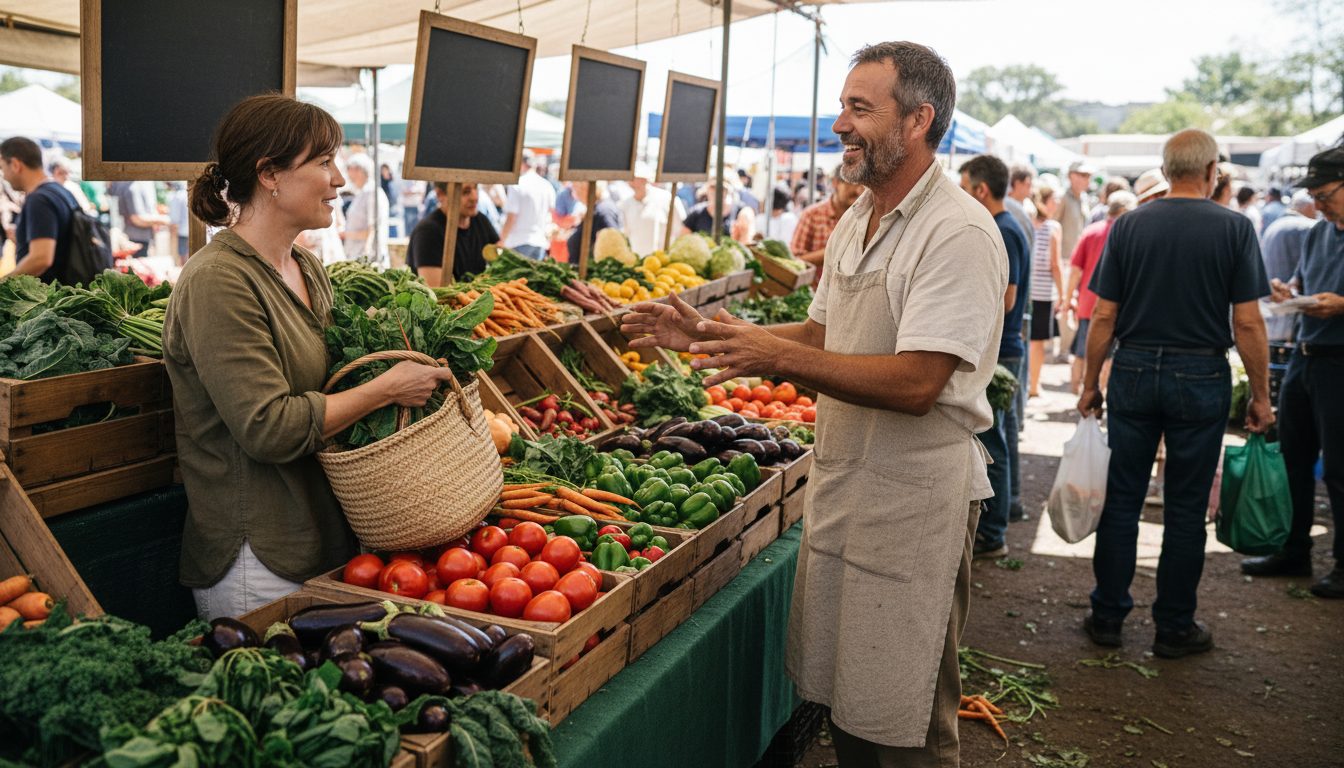
Demand forecasting advice assumes millions of rows. A short food supply chain has a few hundred. Here is what is actually predictable on small-N local food data, which signals matter, and when a three-week moving average beats a model.
Most local food impact claims are estimates borrowed from someone else's study. Here is how a co-op derives local spend, producer income, jobs supported and food access figures from the order lines, payouts and delivery records it already holds.
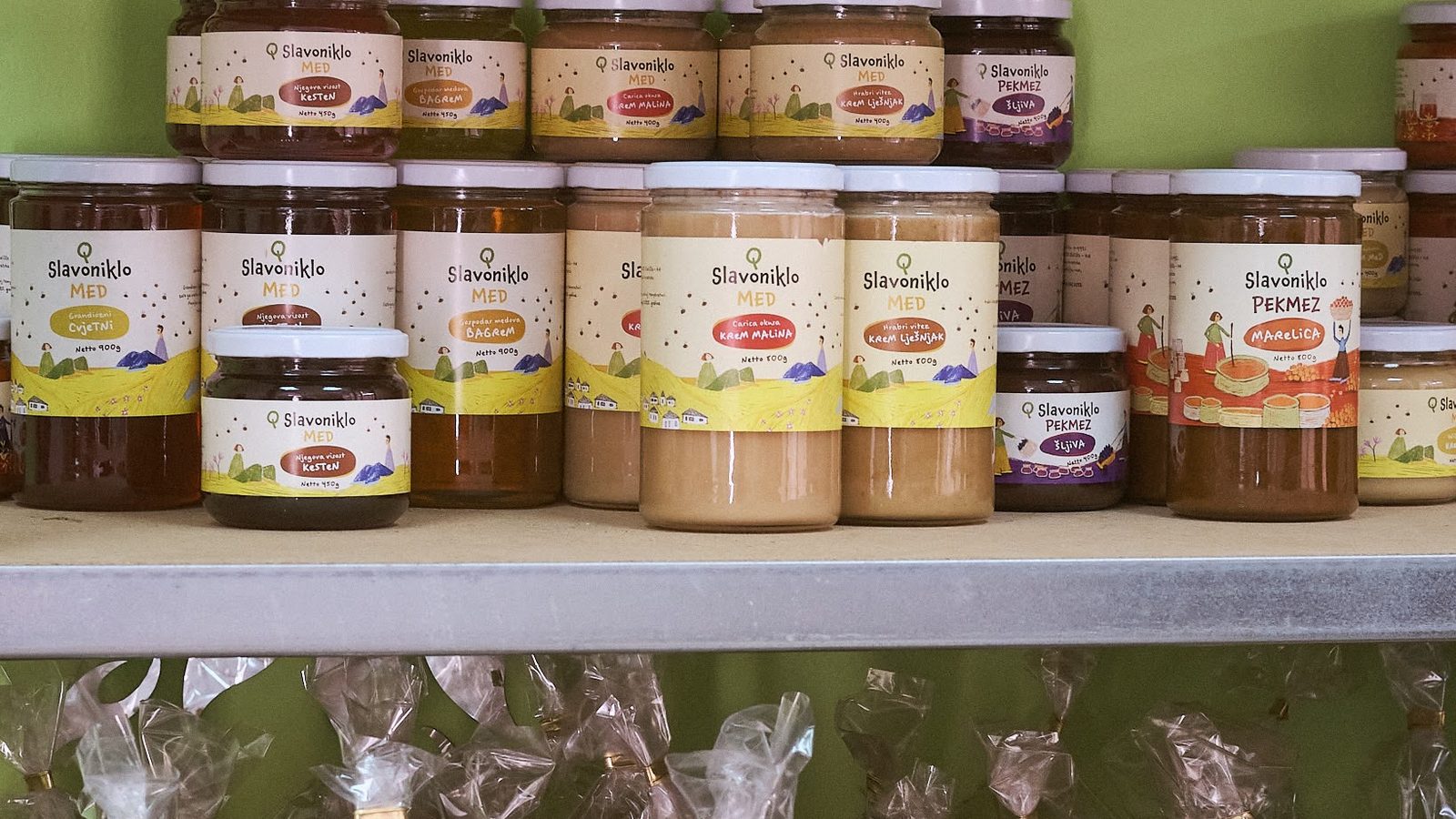
How small producers actually track stock and availability in a short food supply chain: a declaration-based model instead of running inventory, the six rules that stop declared numbers drifting from delivered ones, and the two rules that were removed after producers ignored them.
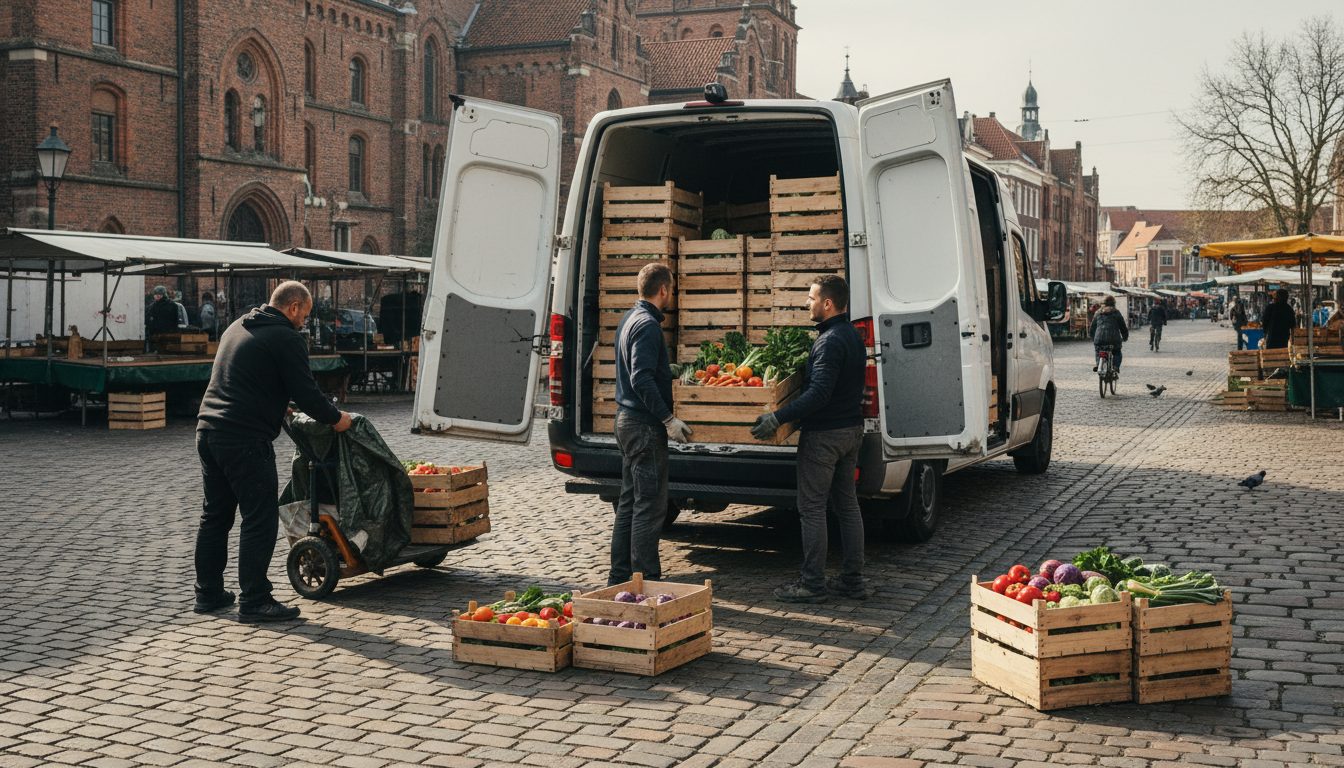
Most ESG guidance is written for industrial supply chains. This is how a food co-op turns the data it already holds, producer coordinates, route distances and order lines, into a food miles, local spend and waste report it can defend.

Digital transformation in a food co-op fails on people, not software. A role-by-role change management playbook for rolling out one platform across producers, administrators and drivers, including who resists, what breaks trust and the training order that sticks.
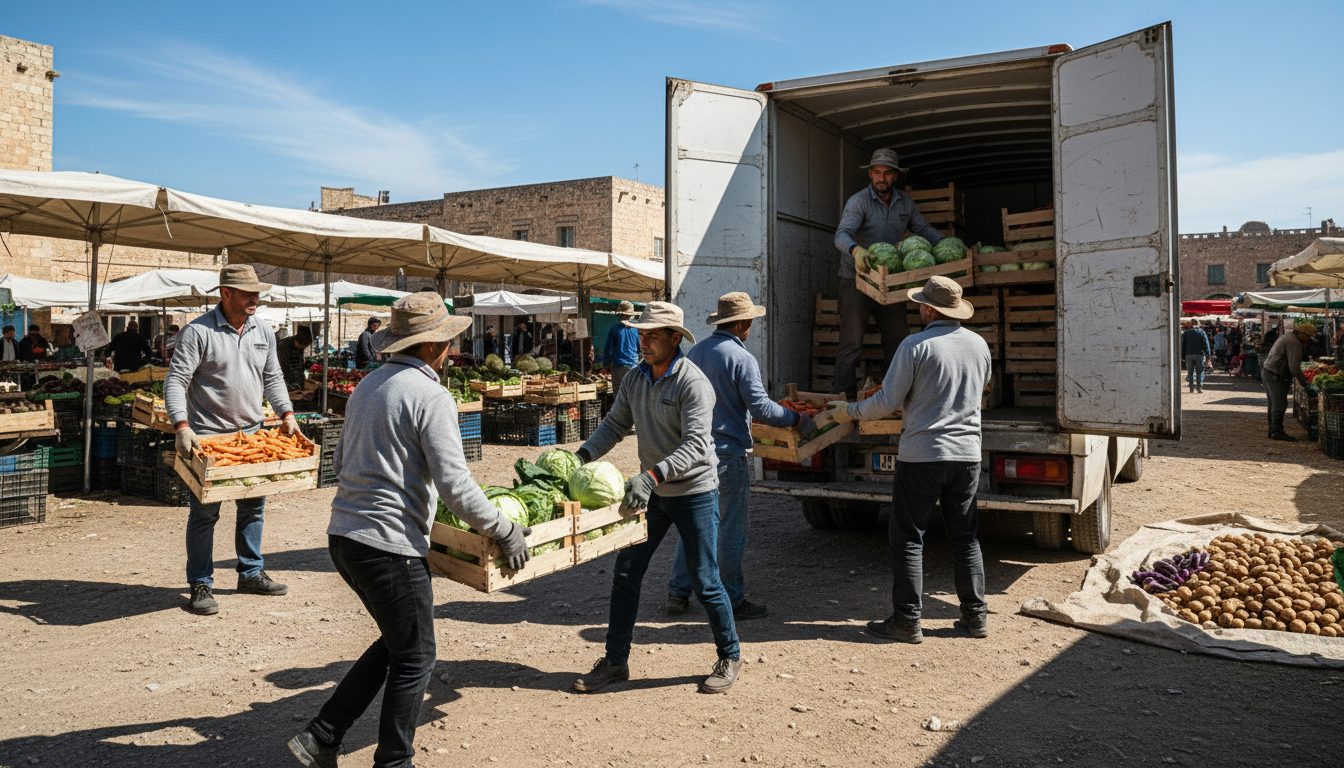
A practical guide to data governance in a short food supply chain: who controls shopper purchase history, what a driver can see of an address, what one producer can never see of another, and how GDPR roles map onto a 40-producer co-op.
A practical guide to data governance in a short food supply chain: who is controller and processor, what a producer may see about shoppers, how long to keep delivery location trails, and where aggregated demand data crosses an ethical line.
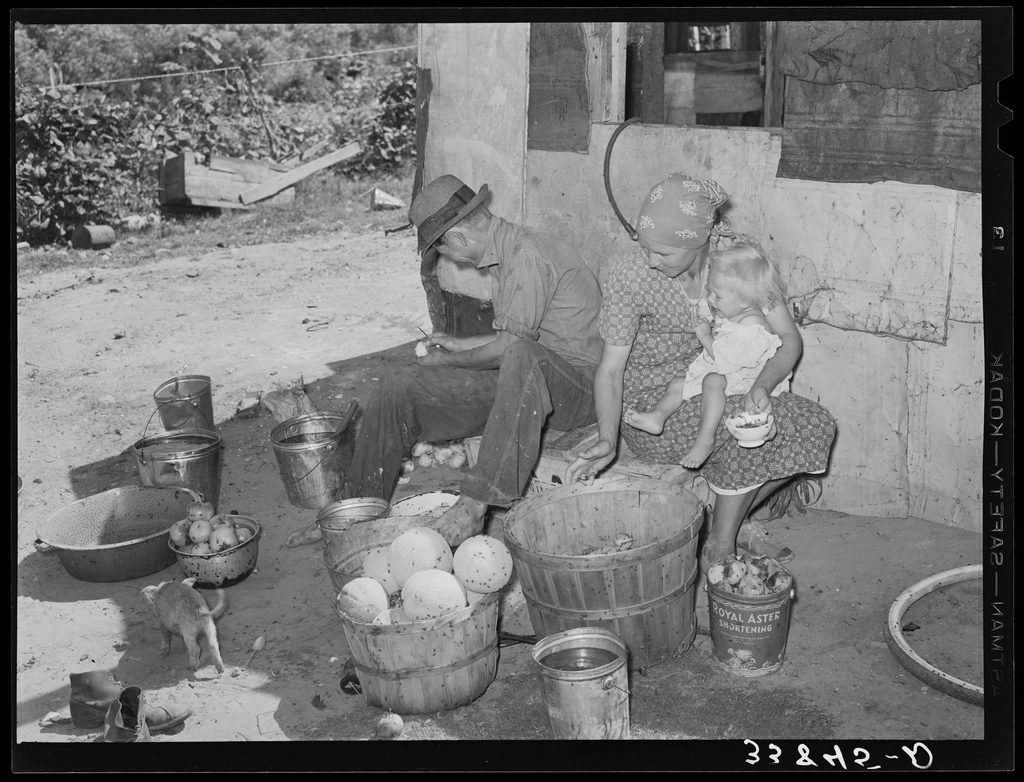
A working breakdown of food hub operations on a single platform: how catalogue aggregation, consolidated ordering, pick-and-pack splits, route assignment and multi-producer reconciliation fit together instead of living in five disconnected tools.

Agritech dashboards stop at the farm gate. This is the co-op-level view: nine metrics a short food supply chain administrator should track across producers, shoppers and deliveries, and what to do when each one moves.
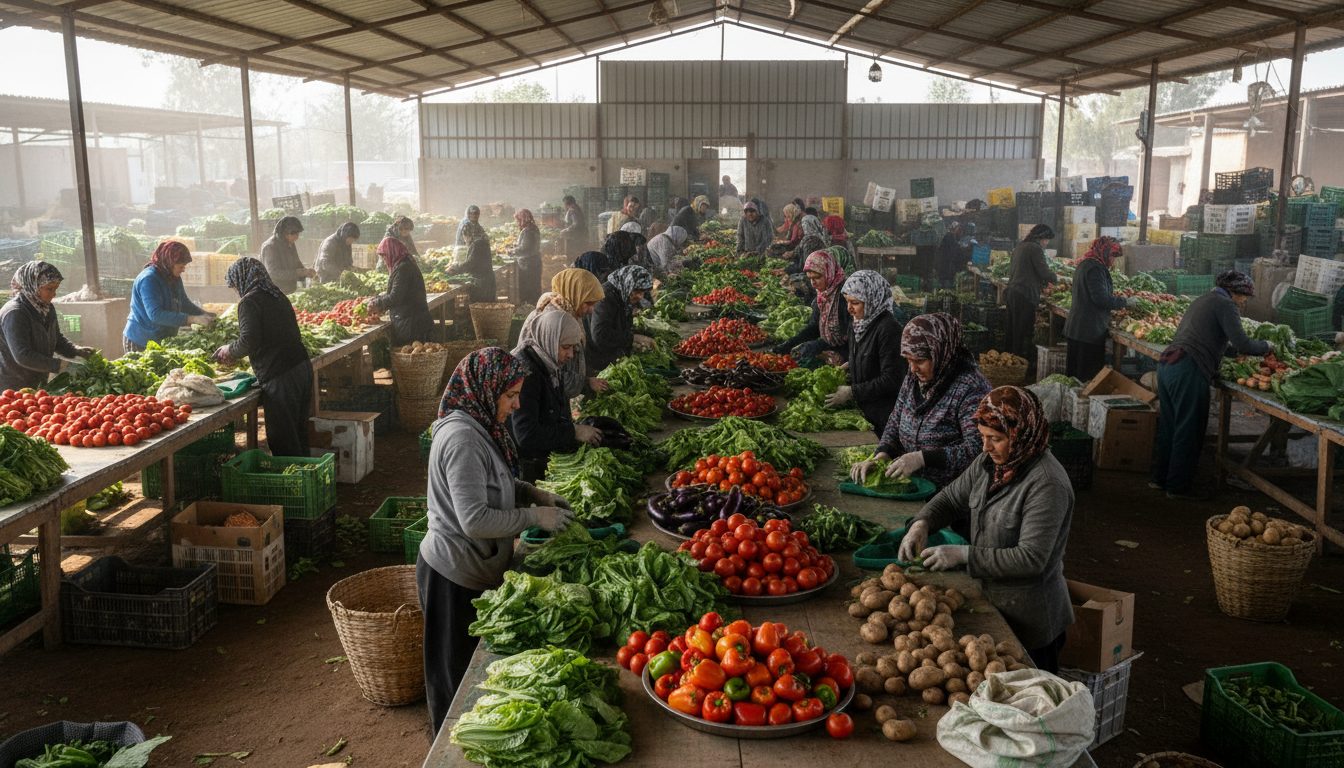
A concrete, line-by-line ROI model for a small food co-operative or food hub switching from spreadsheets to an integrated short food supply chain platform, covering admin hours, order errors, delivery cost per box, producer churn and sales lift.
A numbers-first framework for building the business case for short food supply chain software, with a worked model for a 40-producer co-op covering admin hours, waste, producer churn and customer retention.
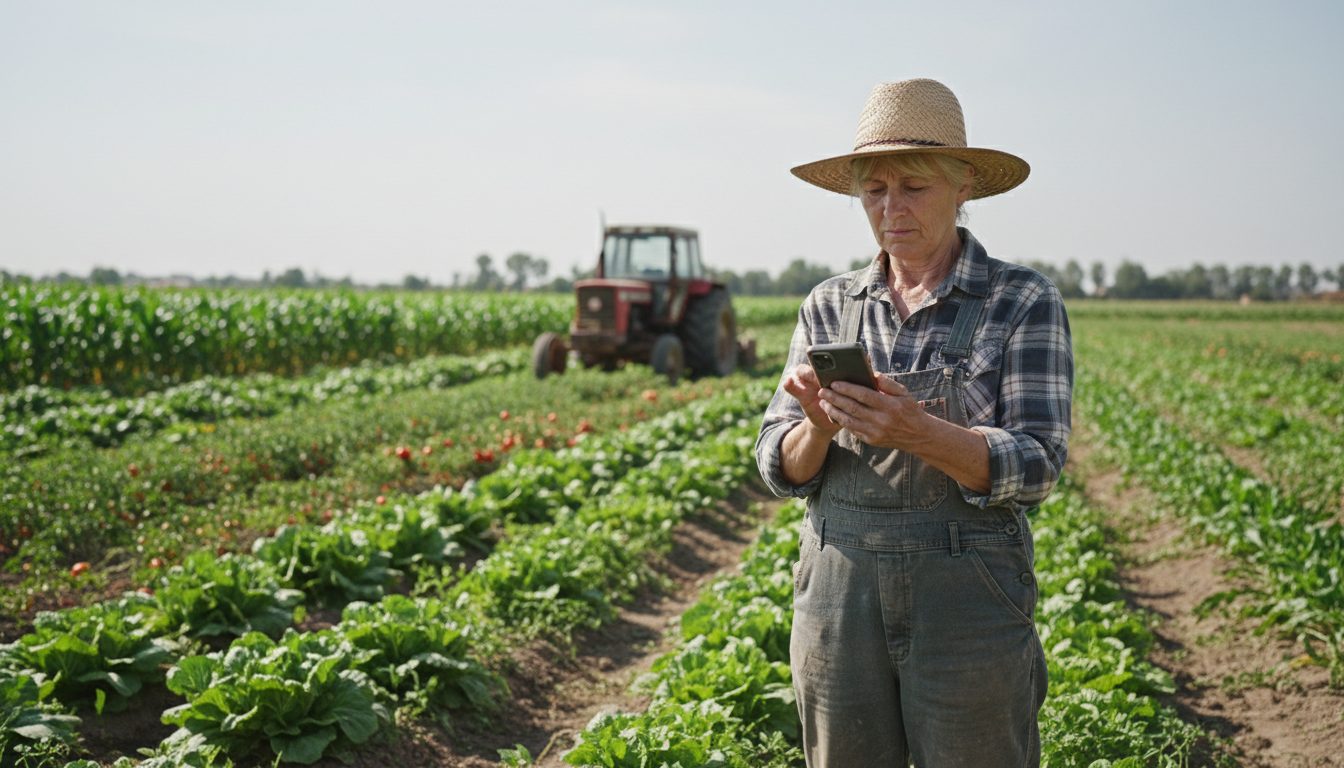
How to bring paper-and-phone-call producers onto a digital platform: the interface decisions, offline behaviour and onboarding sequence that get a 62-year-old grower posting stock without a training manual.
Routing gets the van to the kerb. The failures happen after that. A field guide to the six ways a chilled box fails to reach a customer in a short food supply chain, what the driver and administrator each see, and which failures software can prevent versus which need a written policy.
How batch-level traceability actually works in a short food supply chain: what data to capture at each hop, how to run a one-hour recall, and what to hand an inspector who asks where a crate of lettuce came from.

A line-by-line teardown of one settlement run: how a €38 vegetable box is split between 11 producers, the co-operative's commission, packaging deposits, delivery cost and VAT, including the rounding and dispute rules that decide who absorbs the cent.
A single-merchant storefront works for one farm and breaks at the second. Here are the six points where Shopify fails a multi-producer farmers market, the workarounds operators try, and what the operation actually needs.
How do you design admin, shopper, producer and delivery apps that share one data model without sharing one interface? A look at the UX decisions, conflicting priorities and shared vocabulary behind a multi-role short food supply chain platform.
A week-by-week migration plan for moving a food co-operative off spreadsheets and into Plodie: what the incoming sheets look like, which columns map to which fields, the data-cleaning decisions to make before the first live order, and the parallel run that de-risks the switch.
A role-by-role breakdown of how a short food supply chain platform splits into four connected apps for administrators, shoppers, producers and drivers, and how an order moves between them.
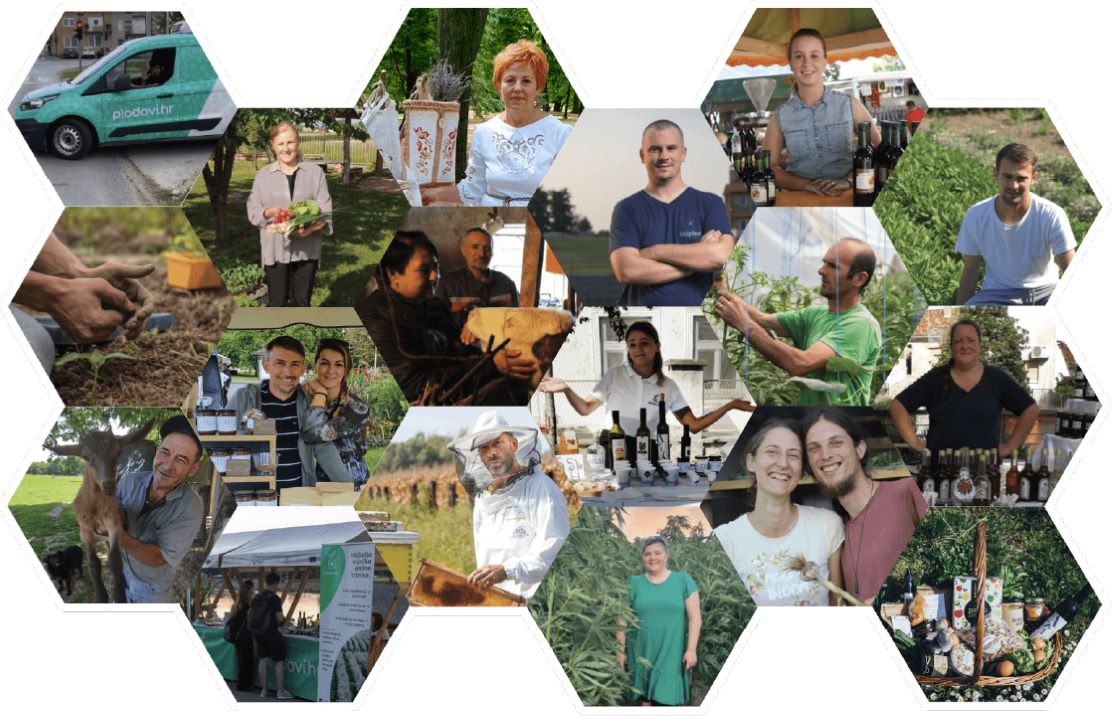
Plodovi.hr isn’t just a marketplace; it’s a hub for innovation and collaboration, working to make short food supply chains more sustainable, efficient, and successful for everyone involved. Together with our partners, we’re building the future of local food systems and paving a way that others can follow.
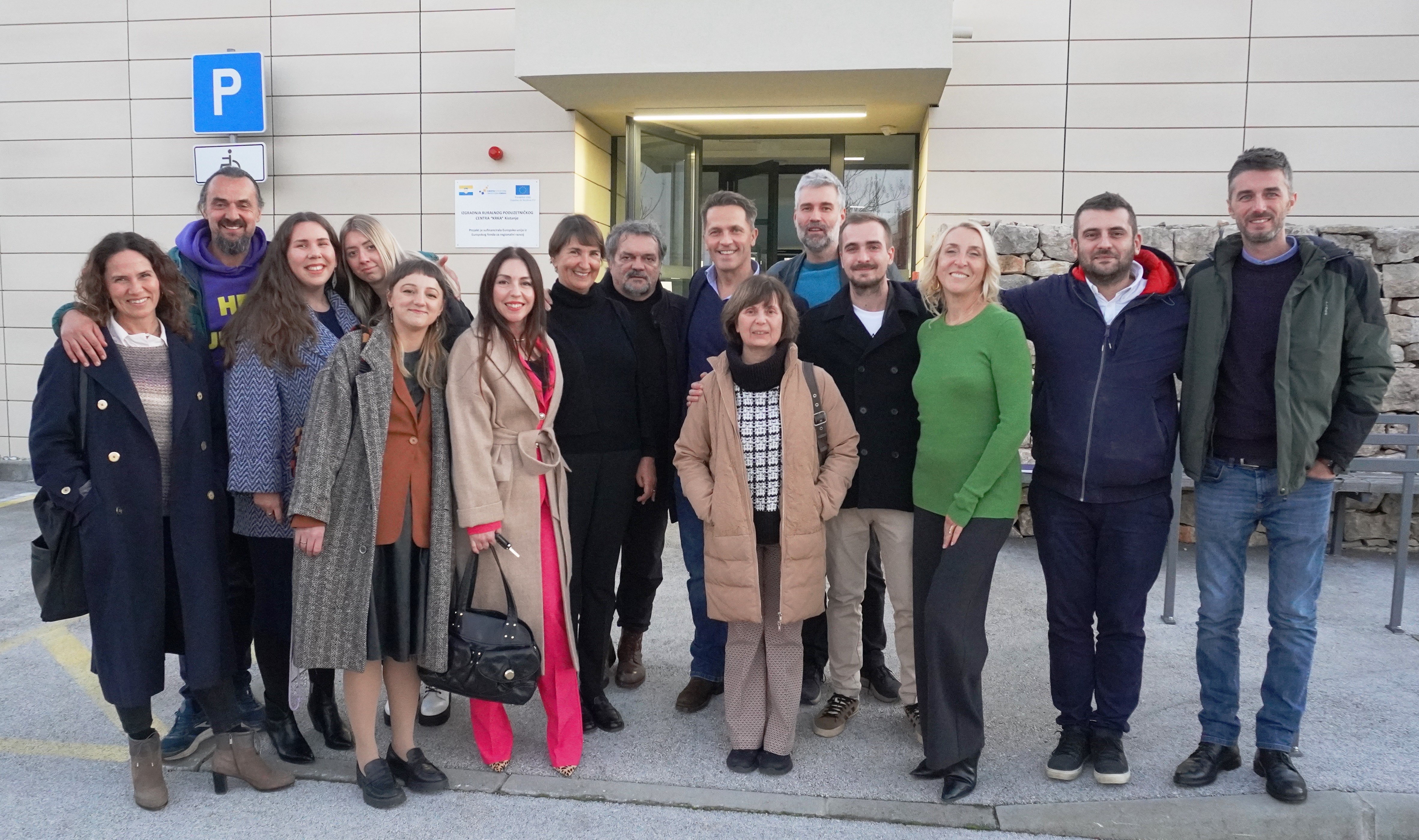
Launched at the initiative of Šibenik-Knin County, the pilot project Ajmo Lokalno proposes an innovative business model for short supply chains, which will connect local food producers, restaurateurs, and end consumers through a digital platform and app of the same name.
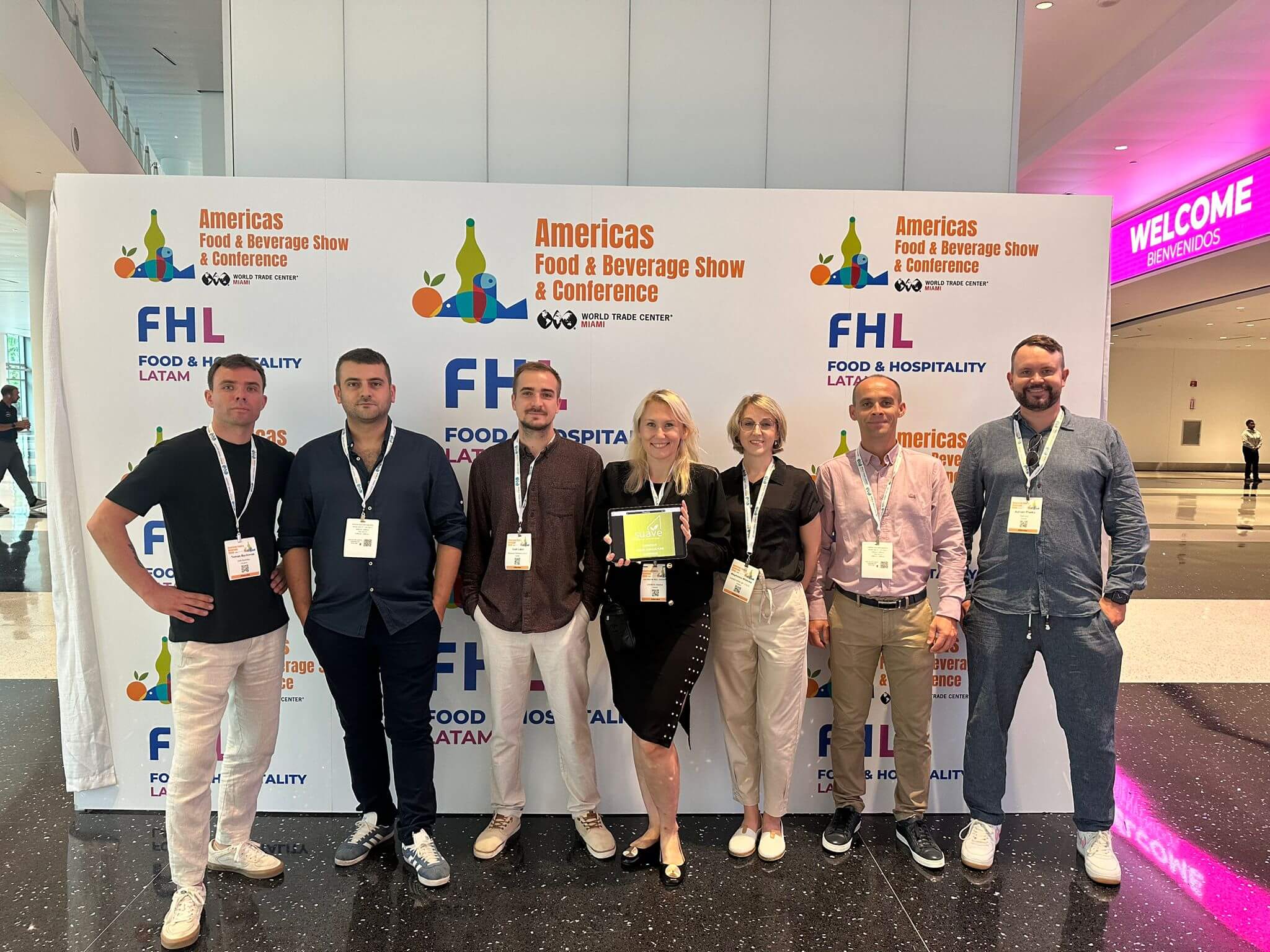
It was an honor to be selected as one of four companies from Europe to attend the joint internationalization mission to Miami, USA. Want to hear more?
The first-ever KLOnference gathered short supply chains, experts, and public sector leaders in Osijek-Baranja County to spark collaboration, share innovations, and champion local producers. Dive into this vibrant mix of ideas and solutions for a sustainable future!
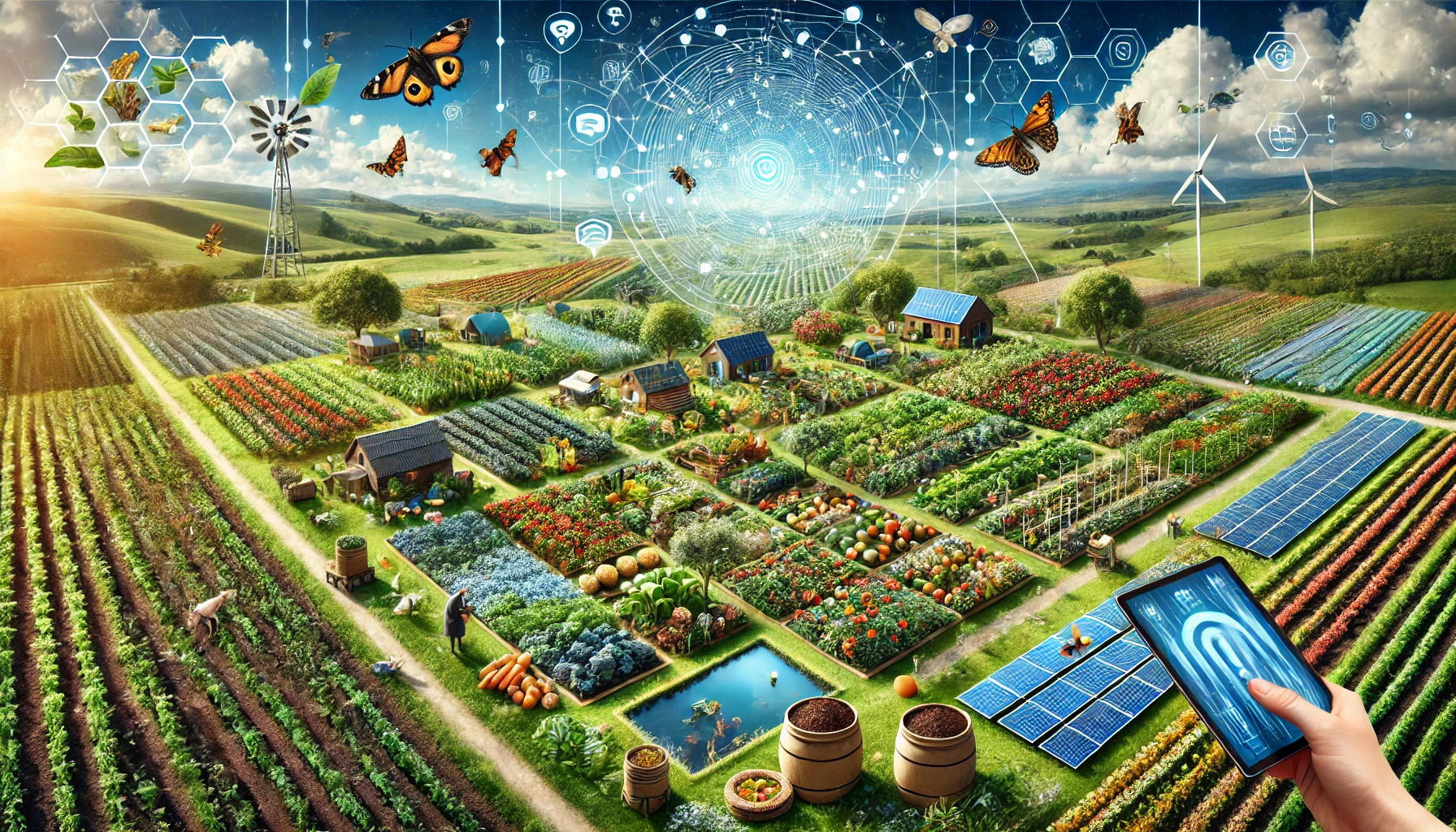
Discover how innovative Short Food Supply Chain (SFSC) software empowers farmers by simplifying the journey from farm to table, eliminating middlemen, and fostering a more direct connection with consumers.
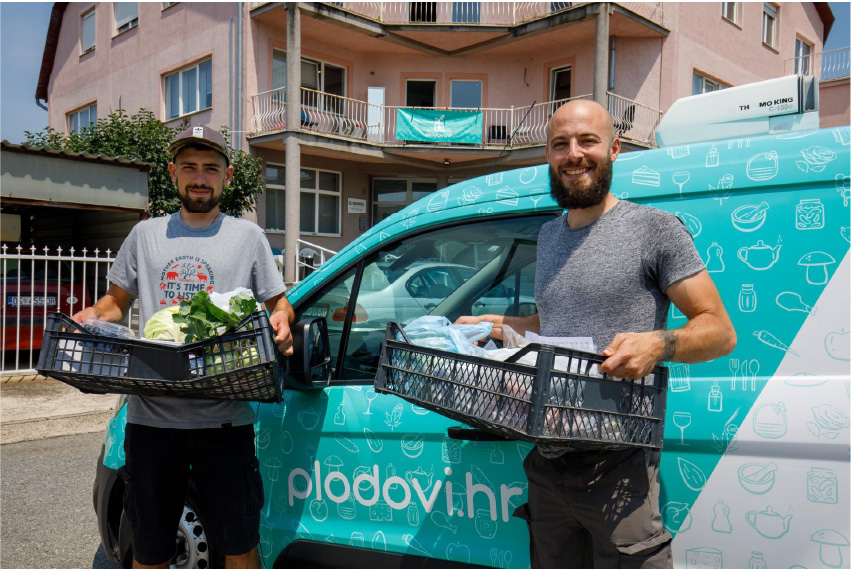
How to increase food quality by encouraging local production and how to distribute locally produced food to customers efficiently.